
Job Responsibilities
Assembly Workers are vital in manufacturing, assembling products to specifications using tools, machinery, and techniques across various industries. Key responsibilities include:
- Reading and following blueprints, schematics, or work instructions.
- Assembling components or products using hand tools, power tools, or automated machinery.
- Inspecting finished products to ensure quality and compliance with specifications.
- Performing routine maintenance on assembly equipment and workstations.
- Monitoring the production process and reporting any defects or inefficiencies.
- Packaging and labeling finished goods for shipping or storage.
Required Education and Certifications
To work as an assembly worker, the following education and certifications are typically required or recommended:
- High school diploma or GED (commonly required by employers).
- On-the-job training provided by employers for entry-level positions.
- Certifications in manufacturing or assembly processes, such as Lean Manufacturing or Six Sigma (preferred for advanced roles).
- Forklift operation certification (if material handling is involved).
- OSHA safety certification (beneficial for ensuring workplace compliance).
Key Skills
Successful Assembly Workers possess a combination of technical skills, physical ability, and attention to detail. Essential skills include:
- Manual dexterity and hand-eye coordination for precision work.
- Mechanical aptitude to operate tools and machinery effectively.
- Attention to detail to ensure quality standards are met.
- Ability to read and interpret technical documents, including blueprints and schematics.
- Time management skills to meet production deadlines.
Frequently Asked Questions
The salary for Assembly Workers varies based on industry, experience, and location. On average, entry-level Assembly Workers earn between $14 to $18 per hour, while experienced workers or those in specialized industries may earn $20 or more per hour. Some positions also offer overtime pay and production bonuses.
Assembly Workers are commonly employed in industries such as automotive, electronics, aerospace, furniture, medical devices, and consumer goods manufacturing.
Many entry-level positions do not require prior experience, as on-the-job training is typically provided. However, experience with hand tools, machinery, or manufacturing processes can be beneficial.
Assembly Workers typically work in factories, warehouses, or production facilities. The environment may involve standing for long periods, repetitive tasks, and exposure to noise, heat, or cold, depending on the industry.
Certifications are not always required but can improve job prospects. Employers may prefer candidates with OSHA safety training, Lean Manufacturing certification, or specialized machinery operation credentials.
Testimonials
CTR has always helped me to find a job when I needed it. They are a good staffing company to help with employment, and keep you working.
CTR has been instrumental in our success by consistently providing us with candidates possessing the skill sets that we require frequently on short notice.
I have worked for CTR for the last 5 and a half years. It’s been a great experience, and they’re great people that really care about the employees and go the extra mile to make sure you stay employed.
CTR Corp has provided Oceaneering with excellent service. I am confident that when we get in a recruiting crunch, we can rely on CTR.
News

Shipyards, shipbuilders, repair yards, marine contractors and industrial employers all compete for the same limited pool of skilled...
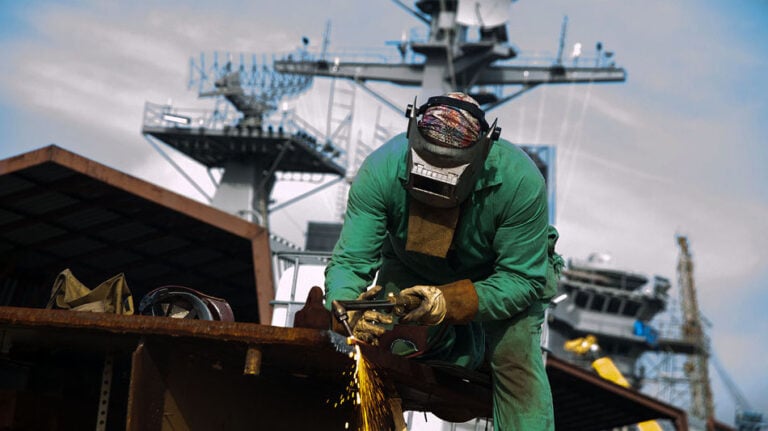
San Diego is one of the country’s most important shipbuilding, ship repair, defense, and industrial markets. Employers competing...
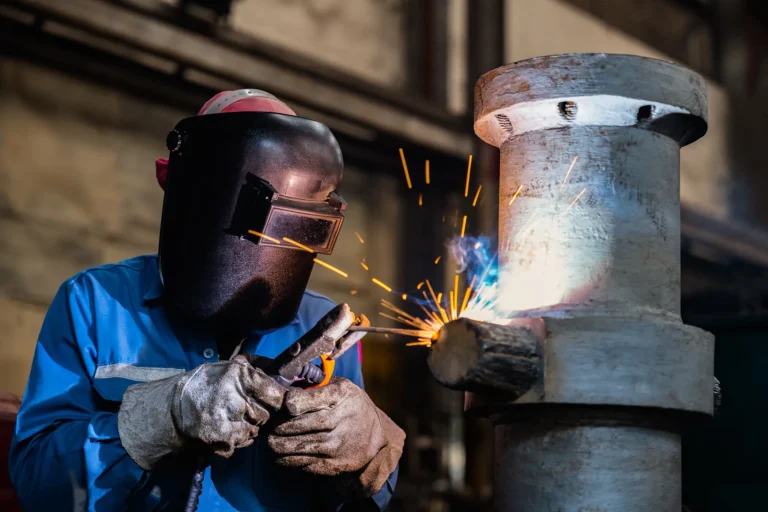
When your operation depends on welders, pipefitters, shipfitters, machinists and other skilled trades professionals, choosing the right staffing...