
Ship Fitter Jobs
Ship Fitter Job Responsibilities
Ship fitters are responsible for assembling and aligning the structural framework of ships and marine vessels. Their work is essential to ensure that each section of a vessel fits correctly and is ready for welding, installation, and final construction.
Key responsibilities include:
- Reading and interpreting blueprints, schematics, and technical drawings to understand vessel design and layout
- Measuring, cutting, and fitting steel plates, beams, and structural components to precise specifications
- Aligning ship sections and frameworks to ensure proper fit and structural integrity
- Tack welding components in place prior to final welding by certified welders
- Using hand tools, power tools, and heavy equipment to shape and position materials
- Inspecting materials and assembled structures to verify accuracy and quality standards
- Assisting with the layout and fabrication of complex structural assemblies
- Collaborating with welders, pipefitters, and other skilled trades to complete ship construction and repair projects
- Following strict safety protocols in shipyard and industrial environments
Ship fitters work in physically demanding environments such as shipyards and dry docks, where precision and teamwork are critical to project success.
Required Education & Certifications
Ship fitters typically develop their skills through hands-on experience, trade training, or apprenticeship programs in shipbuilding or structural fabrication.
Common qualifications include:
- High school diploma or GED, with technical or vocational training preferred
- Experience in shipbuilding, ship repair, or structural steel fabrication
- Training in blueprint reading, layout work, and fabrication techniques
- Familiarity with welding processes and metalworking tools
- Knowledge of OSHA safety standards and shipyard safety practices
- Certifications in welding, rigging, or related trades (preferred but not always required)
Employers often prioritize candidates with prior shipyard experience or backgrounds in related trades such as welding or pipefitting.
Ship Fitter Key Skills
Successful ship fitters rely on a combination of physical skill, technical knowledge, and attention to detail to perform their work accurately and safely.
Key skills include:
- Blueprint Interpretation: Ability to read and apply complex technical drawings and layouts
- Structural Assembly: Experience fitting and aligning steel components for large-scale structures
- Measurement & Layout: Strong math skills and precision measuring for accurate fabrication
- Metal Fabrication Knowledge: Understanding cutting, shaping, and fitting processes for steel materials
- Tool & Equipment Operation: Proficiency with hand tools, power tools, and industrial equipment
- Problem Solving: Identifying and resolving fit-up issues during assembly
- Safety Compliance: Following strict shipyard safety protocols and PPE requirements
- Physical Stamina: Ability to work in demanding environments, including lifting, climbing, and extended shifts
These skills are essential to ensuring that vessels are built safely, efficiently, and to exact engineering standards.
FAQ: Ship Fitter Jobs
A ship fitter assembles the structural components of ships by reading blueprints, cutting and fitting steel materials, and aligning sections for welding and final construction.
Ship fitter responsibilities include blueprint reading, measuring and cutting materials, fitting structural components, tack welding, and ensuring proper alignment of ship sections.
Ship fitter pay varies based on experience, location, and project type, but skilled ship fitters often earn competitive hourly wages in shipyards and marine industries.
Yes, ship fitter jobs are in demand due to ongoing shipbuilding, repair projects, and increased investment in maritime and defense sectors.
Most ship fitter jobs require experience in shipyards or structural steel work, along with blueprint reading skills and knowledge of fabrication techniques.
Entry-level opportunities may be available, but most employers prefer candidates with prior experience in shipbuilding, welding, or related trades.
Certifications are not always required, but training in welding, rigging, or safety can improve job opportunities.
Ship fitters are primarily employed in shipbuilding, ship repair, marine construction, and defense contracting industries.
Yes, ship fitting requires physical strength and endurance, as well as the ability to work with heavy materials in industrial environments.
Candidates can apply by using the Find Work option or browsing current openings to connect with ship fitter opportunities.
Ship Fitter Jobs Nationwide
Browse contract and direct-hire ship fitter jobs updated regularly across shipyards and marine employers.
Testimonials
CTR Corp has provided Oceaneering with excellent service. I am confident that when we get in a recruiting crunch, we can rely on CTR.
CTR has always helped me to find a job when I needed it. They are a good staffing company to help with employment, and keep you working.
CTR has been instrumental in our success by consistently providing us with candidates possessing the skill sets that we require frequently on short notice.
I have worked for CTR for the last 5 and a half years. It’s been a great experience, and they’re great people that really care about the employees and go the extra mile to make sure you stay employed.
News
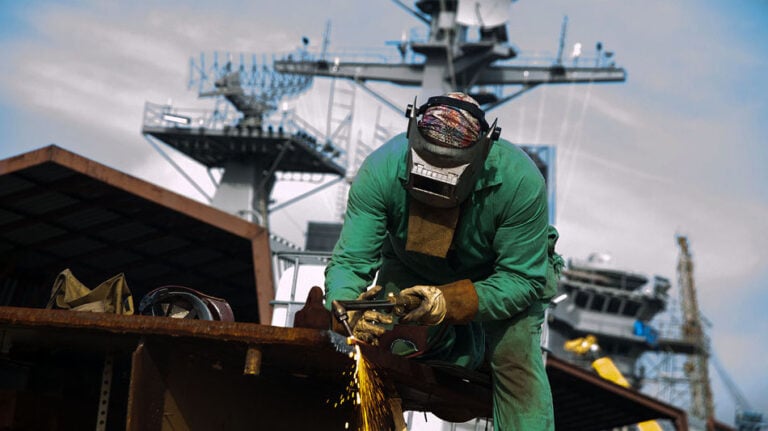
San Diego is one of the country’s most important shipbuilding, ship repair, defense, and industrial markets. Employers competing...
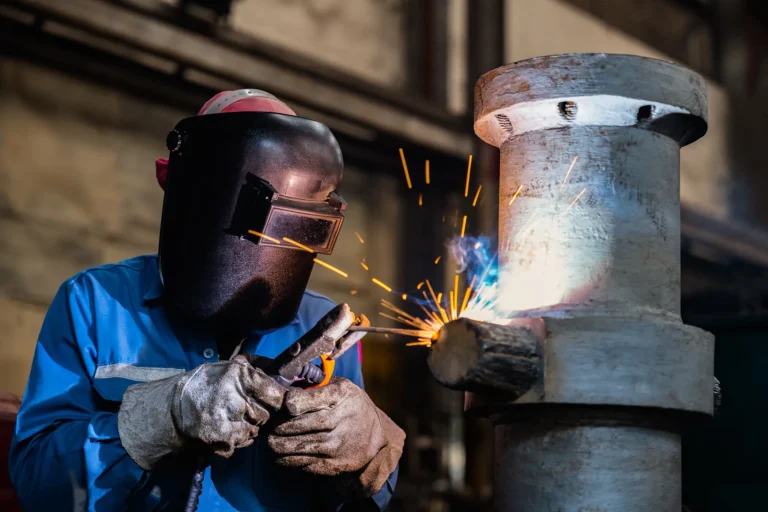
When your operation depends on welders, pipefitters, shipfitters, machinists and other skilled trades professionals, choosing the right staffing...
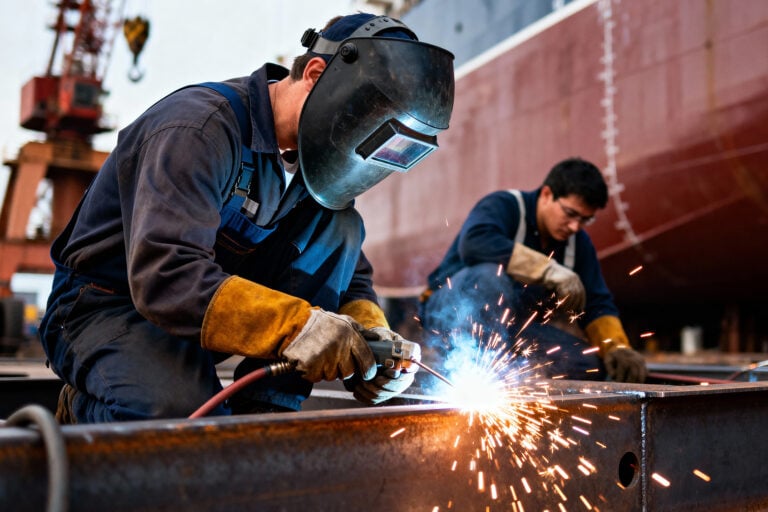
The U.S. shipbuilding and marine industries continue to experience strong demand as defense spending, commercial vessel maintenance, offshore...