
Structural Engineer
Structural Engineer jobs in construction, shipyards, infrastructure, and industrial facilities.
Structural Engineer Job Responsibilities
Structural Engineers design and analyze structures to ensure they are safe, durable, and capable of supporting required loads and environmental conditions. They play a key role in infrastructure development, industrial construction, shipbuilding, and large-scale engineering projects. Key responsibilities include:
- Designing structural systems for buildings, industrial facilities, bridges, and infrastructure projects.
- Performing structural analysis and load calculations to ensure structural integrity and safety.
- Developing engineering drawings, construction documents, and structural specifications.
- Evaluating materials such as structural steel, reinforced concrete, aluminum, and composite systems.
- Ensuring designs comply with engineering codes, safety regulations, and industry standards.
- Reviewing project plans and coordinating structural requirements with architects and engineering teams.
- Conducting structural inspections, site assessments, and condition evaluations of existing structures.
- Supporting construction teams during project execution and resolving field engineering challenges.
- Collaborating with civil, mechanical, and electrical engineers on multidisciplinary projects.

Required Education and Certifications
Structural Engineers typically require formal engineering education and may obtain professional licensure depending on project requirements:
- Bachelor’s Degree in Engineering: Typically Civil Engineering or Structural Engineering.
- Professional Engineer (PE) License: Many roles require licensure or progress toward obtaining a PE.
- Structural Engineering Software Experience: Familiarity with structural modeling and analysis tools.
- Knowledge of Engineering Codes and Standards: Experience working with IBC, ASCE, AISC, and other structural design standards.
- Industry-Specific Certifications (Optional): Certain sectors such as defense, infrastructure, or government contracting may require additional certifications or security clearances.
Key Skills
Successful Structural Engineers combine advanced analytical skills with practical construction and engineering knowledge, including:
- Structural Analysis: Evaluating loads, stresses, and structural performance using engineering calculations and modeling tools.
- Engineering Design: Developing structural designs for buildings, infrastructure, and industrial facilities.
- Blueprint and Technical Drawing Interpretation: Reading and producing engineering drawings and specifications.
- Materials Knowledge: Understanding the structural behavior of steel, reinforced concrete, aluminum, and composite materials.
- Project Coordination: Working closely with architects, contractors, and multidisciplinary engineering teams.
- Problem Solving: Identifying structural challenges and developing safe, effective engineering solutions.
- Code Compliance: Ensuring designs meet engineering standards, building codes, and safety regulations.
Structural Engineer Staffing
Structural Engineer salaries vary depending on experience, industry, and location, but typically range from $75,000 to $120,000 per year, with higher salaries for senior engineers and specialized roles.
Structural Engineers work across construction, infrastructure development, shipbuilding, defense, energy, and industrial manufacturing sectors.
Many Structural Engineers split time between office design work and field visits to construction sites or facilities to review structural conditions and support project implementation.
Most Structural Engineers complete a four-year engineering degree and gain professional experience before pursuing Professional Engineer (PE) licensure.
Yes. CTR Group places Structural Engineers in contract, contract-to-hire, and direct-hire roles supporting construction, infrastructure, defense, and industrial engineering projects.
Structural Engineer Jobs Nationwide
View our current contract and direct-hire Structural Engineer jobs.
Testimonials
CTR has been instrumental in our success by consistently providing us with candidates possessing the skill sets that we require frequently on short notice.
CTR Corp has provided Oceaneering with excellent service. I am confident that when we get in a recruiting crunch, we can rely on CTR.
CTR has always helped me to find a job when I needed it. They are a good staffing company to help with employment, and keep you working.
I have worked for CTR for the last 5 and a half years. It’s been a great experience, and they’re great people that really care about the employees and go the extra mile to make sure you stay employed.
News
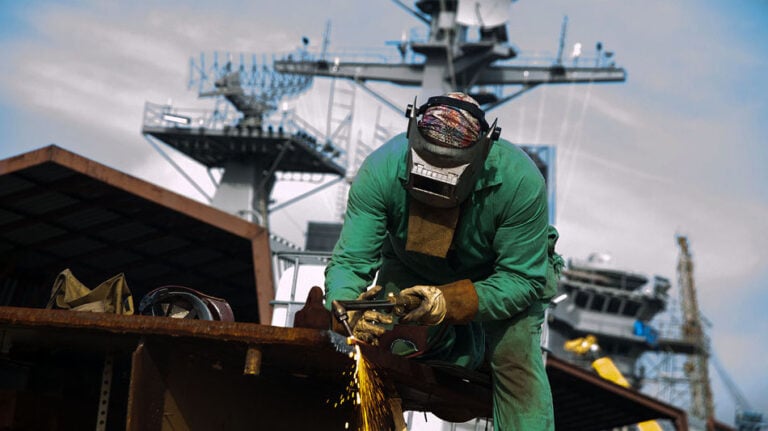
San Diego is one of the country’s most important shipbuilding, ship repair, defense, and industrial markets. Employers competing...
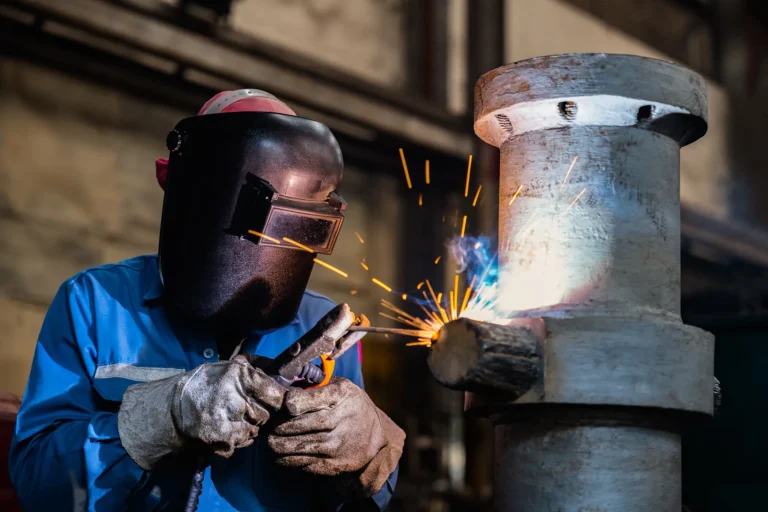
When your operation depends on welders, pipefitters, shipfitters, machinists and other skilled trades professionals, choosing the right staffing...
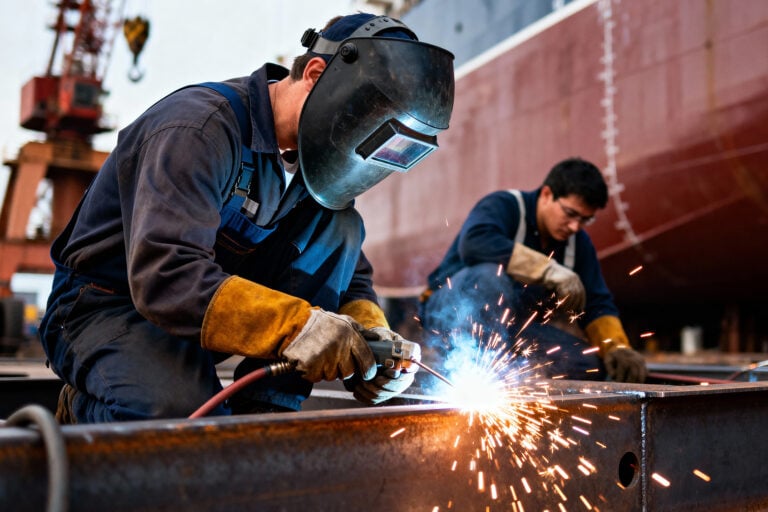
The U.S. shipbuilding and marine industries continue to experience strong demand as defense spending, commercial vessel maintenance, offshore...